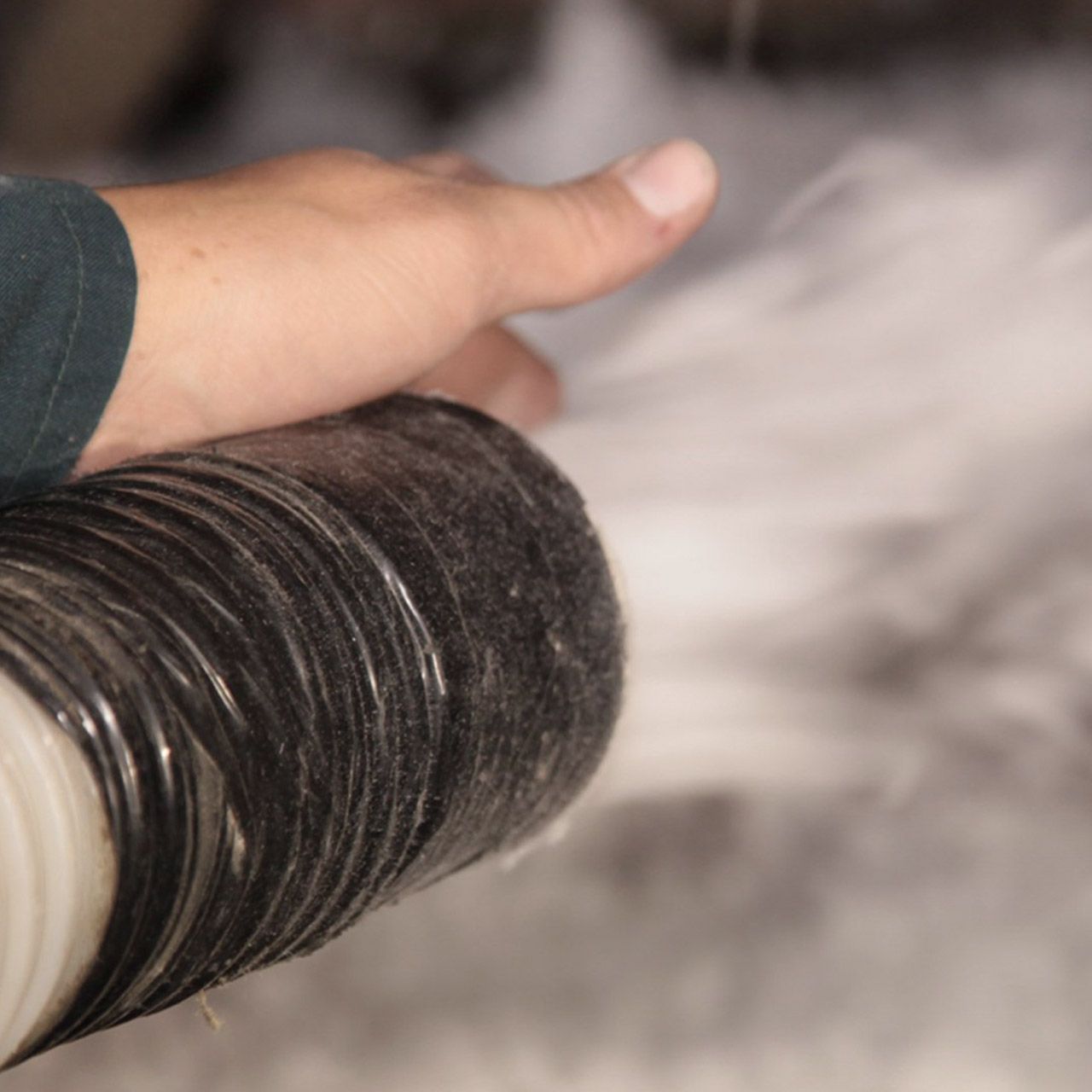
CosyWall Insulation (CWI) is an external wall insulation system (EWCIS) designed to insulate the walls of older homes. It provides thermal and acoustical insulation to existing wall cavities and is installed without the cost and hassle of removing the internal linings. Installation is done via small holes through the external cladding, or from inside via holes in the internal linings. The result is high installed R-values and a warm cosy home.

After installing AIRFOAM for 6 years, in 2013 we changed to Cosy Wall Insulation for existing walls. CosyWall insulation is manufactured in selected North American plants by melting and spinning a blend of inert, natural minerals. It is the only formaldehyde free, non-combustible, water repellent, durable dry-blown wall insulation with a trouble free history since 2002 of insulating New Zealand external wall cavities. A blown-in system is a process to install insulation. It’s extremely quick and pumps the insulation into spaces to ensure that they’re well filled at the right density to work at the optimum performance.

CosyWall insulation is a multi-purpose product designed to provide effective thermal and acoustical insulation for existing water tight external timber framed wall cavities, fibre cement, plywood or sealed masonary veneer claddings. In addition Cosy Wall insulation can be used to insulate new walls or provide acoustical insulation on internal walls. This is a type of insulation that will go in this space between walls. Blown into the wall cavity, it quickly fills the space creating a barrier designed to prevent heat transfe. Wall Insulation can reduce heating costs and helps to stabalise the overall temperature of your home, making it comfortable to live in all year round.

External walls account for up to 35% of heat less from the average house. With an uninsulated cavity, heat can easily escape meaning it requires more energy to maintain a comfortable temperature. A wall cavity filled with insulation can help reduces this heat loss, making the house warmer and reduce or in some cases remove the need to use heaters and fireplaces to heat your premises. Cavity wall insulation (cwi) is installed by professionals usually from the outside by drilling small holes in the wall and injecting loose insulating particles which settle to fill the cavity in your wall. Once complete, the drilled holes are filled again with minimal change to the aesthetics of the wall. A three-bedroom, semi detached home can be insulated in less than three hours by a trained installer.

For more info: https://www.pilkingtoninsulation.co.nz/wall-insulation-auckland/

https://www.facebook.com/PilkingtonInsulation/

Wall insulation Auckland

1280 × 1280 — JPG 125.7 KB

Geüpload: 5 jaren geleden — 1428 weergaven

CosyWall Insulation (CWI) is an external wall insulation system (EWCIS) designed to insulate the walls of older homes. It provides thermal and acoustical insulation to existing wall cavities and is installed without the cost and hassle of removing the internal linings. Installation is done via small holes through the external cladding, or from inside via holes in the internal linings. The result is high installed R-values and a warm cosy home.

After installing AIRFOAM for 6 years, in 2013 we changed to Cosy Wall Insulation for existing walls. CosyWall insulation is manufactured in selected North American plants by melting and spinning a blend of inert, natural minerals. It is the only formaldehyde free, non-combustible, water repellent, durable dry-blown wall insulation with a trouble free history since 2002 of insulating New Zealand external wall cavities. A blown-in system is a process to install insulation. It’s extremely quick and pumps the insulation into spaces to ensure that they’re well filled at the right density to work at the optimum performance.

CosyWall insulation is a multi-purpose product designed to provide effective thermal and acoustical insulation for existing water tight external timber framed wall cavities, fibre cement, plywood or sealed masonary veneer claddings. In addition Cosy Wall insulation can be used to insulate new walls or provide acoustical insulation on internal walls. This is a type of insulation that will go in this space between walls. Blown into the wall cavity, it quickly fills the space creating a barrier designed to prevent heat transfe. Wall Insulation can reduce heating costs and helps to stabalise the overall temperature of your home, making it comfortable to live in all year round.

External walls account for up to 35% of heat less from the average house. With an uninsulated cavity, heat can easily escape meaning it requires more energy to maintain a comfortable temperature. A wall cavity filled with insulation can help reduces this heat loss, making the house warmer and reduce or in some cases remove the need to use heaters and fireplaces to heat your premises. Cavity wall insulation (cwi) is installed by professionals usually from the outside by drilling small holes in the wall and injecting loose insulating particles which settle to fill the cavity in your wall. Once complete, the drilled holes are filled again with minimal change to the aesthetics of the wall. A three-bedroom, semi detached home can be insulated in less than three hours by a trained installer.

For more info: https://www.pilkingtoninsulation.co.nz/wall-insulation-auckland/

https://www.facebook.com/PilkingtonInsulation/
Customize upload by clicking on any preview
Customize upload by touching on any preview
Uploading 0 files (0% afgerond)
De wachtrij wordt geupload, dit duurt een aantal seconden voordat het gereed is.
Upload voltooid
Geuploade afbeeldingen toegevoegd aan . U kunt create new album met de afbeeldingen die net zijn geupload.
Geuploade afbeeldingen toegevoegd aan .
U moet Maak een account of Log in om de informatie op te slaan in uw account.
Geen file is geupload
Some errors have occurred and the system couldn't process your request.
    Registreer om het automatisch verwijderen van foto's te kunnen aanpassen of uit te schakelen.
    Note: Some files couldn't be uploaded. Meer informatie
    Zie het foutrapport voor meer informatie!